The Monaco Grand Prix is significant because it combines racing history, technical challenge, and unmatched glamour. Its narrow, historic street circuit tests driver precision like no other track, while its setting in Monte Carlo symbolizes luxury and prestige, making it one of the most iconic and celebrated events in motorsport.
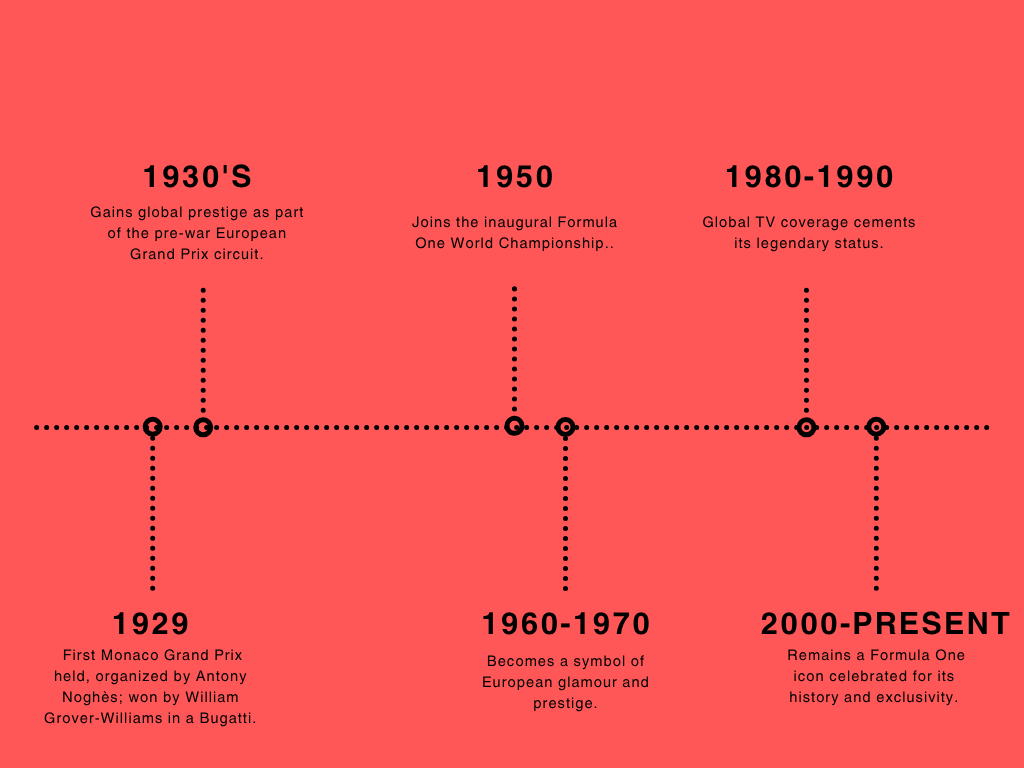
Timeline of the history of the Monaco Grand Prix
Colorised Monaco Grand Prix from the 1950's
Summary of the significance of the Monaco Grand Prix
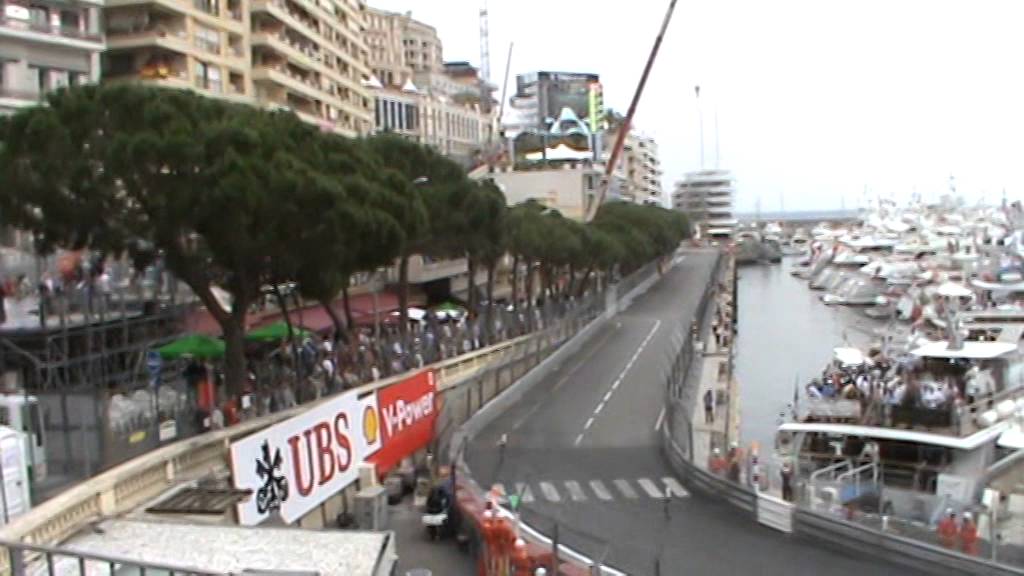
Overview: The Circuit de Monaco, home of the Monaco Grand Prix, is one of the most historic and technically demanding tracks in Formula One. First used in 1929, it weaves through the narrow streets of Monte Carlo and La Condamine, running past landmarks like the Casino, the Fairmont Hairpin, and the harbor. Over the decades, the layout has remained largely the same, preserving its charm and tradition, but several modifications have been made to improve safety and accommodate modern racing. In the 1960s, the old Gasworks Hairpin was replaced by the Nouvelle Chicane, and in 1973, the Swimming Pool section was added as part of harbor renovations. Later, in the 1980s and 1990s, adjustments were made to the pit area and Rascasse corner to meet Formula One standards, along with stronger barriers and better safety features. More recent changes, such as resurfacing and new safety walls, have modernized the track without compromising its historic character. Despite the updates, Monaco remains one of the slowest yet most challenging circuits, where precision, focus, and control are crucial, making it a living link between the sport’s past and present.


Sainte Dévote – The first corner of the circuit, sharp and downhill; known for opening-lap crashes and tight overtakes.

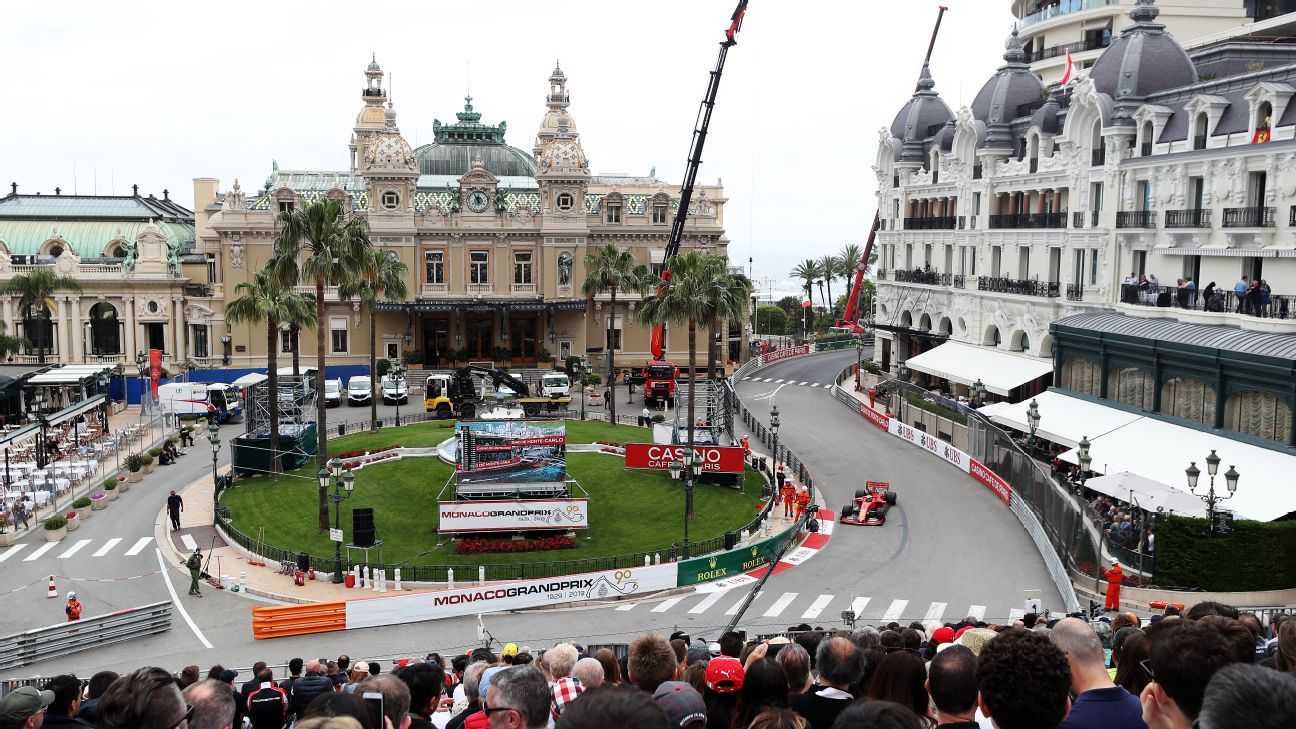
Casino Square – Iconic and scenic; drivers navigate around the famous Monte Carlo Casino surrounded by luxury hotels.

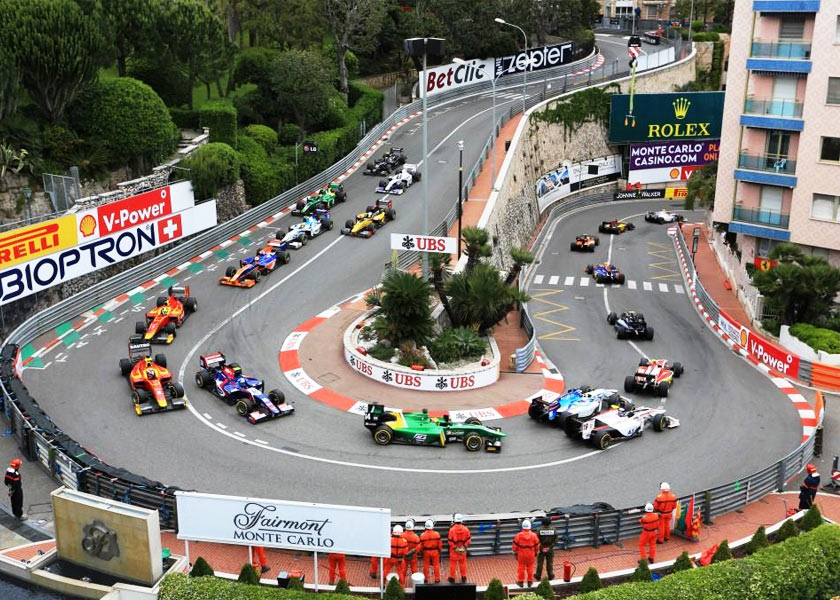
Fairmont Hairpin (Station Hairpin) – The slowest corner in Formula One (~30 km/h); cars nearly turn full lock to get around.